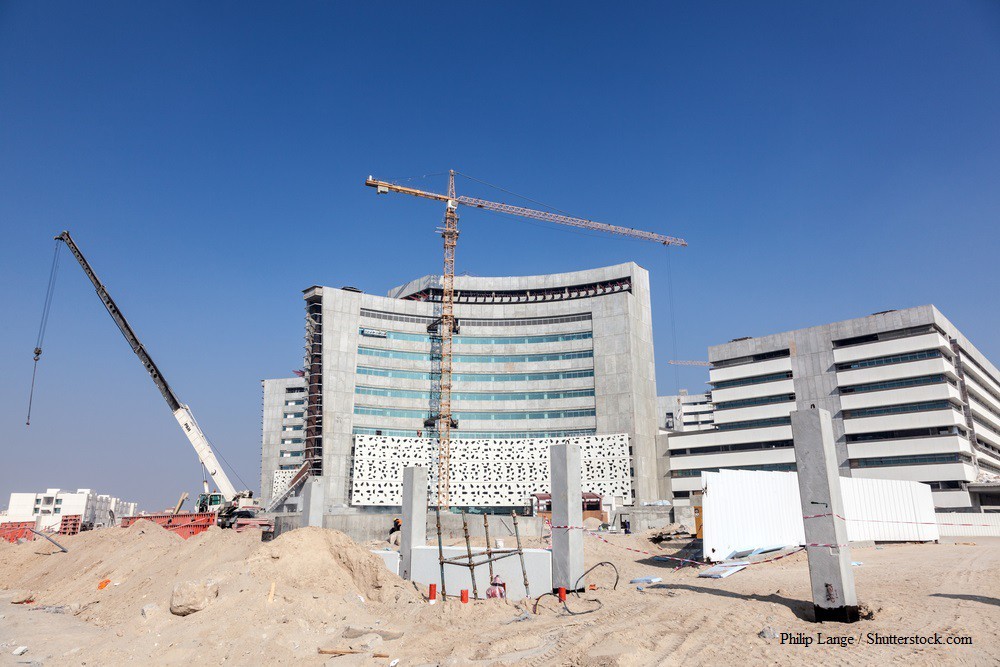
Building a hospital or clinic is not like constructing an office or retail space. Every hallway, patient room, and surgical suite must be designed with precision, safety, and functionality in mind. One slight misstep can disrupt operations, delay patient care, or create costly problems down the line.
This is why a project plan is essential in healthcare construction in Calgary. It’s the roadmap that guides every step of the project, from initial concept and design all the way to construction and handover, while making sure the facility meets strict safety standards, regulatory requirements, and operational needs. At Sky Blue Construction, we specialize in creating project plans that turn complex healthcare visions into functional, efficient, and safe facilities.
Why is a Project Plan Crucial in Healthcare Construction in Calgary?
Healthcare construction involves many people, including architects, engineers, hospital administrators, medical staff, and regulatory authorities. Each group has its own priorities. Some prioritize meeting health and safety standards, while others focus on keeping patient care uninterrupted. A clear project plan brings everyone together, helping the team stay on schedule without sacrificing safety or quality.
Here’s why a project plan is so important:
Clear Vision and Scope
A project plan defines the project’s goals, lists the work the team must complete, and highlights the main results. For example, whether the team builds a new cardiology lab at Southern Alberta Medical or upgrades a clinic at Advanced Cardiology, they clearly plan every detail, from room sizes to equipment placement. This helps avoid confusion and keeps everyone working toward the same goal.
Time Management
Healthcare projects are often on a tight schedule, especially when the hospital is still running. Any delay can affect patient care and increase costs. A project plan includes a detailed timeline with milestones and deadlines to make sure everything stays on track.
Resource Allocation
From skilled workers to special medical equipment, healthcare construction needs valuable and costly resources. Hence, a project plan helps the team use them wisely, cutting down on waste and avoiding expensive last-minute changes.
Risk Mitigation
Every construction project comes with risks, such as unexpected site issues or issues with meeting regulations. Healthcare construction has extra challenges, such as controlling infections during renovations or keeping patients safe while work is happening. A project plan helps spot these risks early and sets out strategies to deal with them before they become bigger problems.
Regulatory Compliance
Hospitals and clinics must follow strict building rules, health regulations, and accreditation standards. A project plan keeps track of all these requirements, making sure inspections, approvals, and certifications happen on time and preventing legal or operational issues.
Cost Control
Going over budget is common in construction, but healthcare projects have very little room for error. A detailed project plan tracks spending, estimates future costs, and allows adjustments to keep the project within budget.
People Also Ask
What is a project plan in construction?
In construction, a project plan is a guide that details all aspects of a building or infrastructure project. It includes schedules, budgets, resource allocation, risk management, and the scope of work to keep everything on track.
What is the meaning of a project plan?
A project plan outlines the project’s goals, tasks, timeline, and how everything will be managed. It’s like a guide that keeps the project on track and helps everyone stay on the same page.
What are the 5 stages of a project plan?
The 5 stages are: initiation, planning, execution, monitoring, and closure. Each stage builds on the last to make certain the project is successful.
Key Components of a Healthcare Construction Project Plan
A strong healthcare construction in Calgary project plan includes several important parts:
- Project Scope and Objectives: Shows exactly what will be built or renovated, including details for rooms, equipment, and systems.
- Schedule and Timeline: Splits the project into manageable phases, covering everything from design and planning to construction and handover.
- Budget and Cost Estimates: Plans the finances carefully, covering everything from labor to installing medical equipment.
- Resource Management: Organizes labor, materials, and specialized contractors so everything is used efficiently.
- Risk Management: Identifies possible problems and sets out ways to handle them, like infection control during renovations or backup plans for delayed equipment.
- Regulatory Compliance: Keeps track of all building codes, health rules, and accreditation standards to avoid delays or legal issues.
- Communication Plan: Makes sure everyone involved, including healthcare staff, contractors, and vendors, is informed and working together.
Our Approach at Sky Blue Construction
At Sky Blue Construction, we’re proud to deliver healthcare construction projects that meet top industry standards. Our approach focuses on teamwork and patient safety because we understand the importance of creating spaces that are safe for patients, efficient for staff, and fully functional from day one.
Here’s how we make sure every project stays on track:
Collaborative Planning:
We involve everyone who will be affected by the project, including hospital administrators and medical staff, as well as architects and engineers. By including all perspectives early on, we create a plan that balances operational needs, patient safety, and construction requirements. This collaboration reduces surprises and ensures that the finished facility works exactly as intended.
Attention to Detail:
Healthcare facilities have many special requirements, ranging from HVAC systems that control air quality to the precise layout of operating rooms and labs. Therefore, we carefully plan and execute every detail to make sure the building functions safely and efficiently. Moreover, even small elements, like where equipment is placed or how electrical systems are routed, are considered to support smooth daily operations.
Safety First:
Patient and worker safety always comes first. To achieve this, we follow strict health and safety protocols during every step of construction, keeping everyone on-site protected and making sure hospital operations continue without interruption.
Conclusion
All in all, a healthcare construction in Calgary project follows a detailed framework that carefully plans, coordinates, and carries out every part of a facility. At Sky Blue Construction, we combine our expertise, teamwork, and careful planning, which allows us to deliver healthcare projects that are safe, efficient, and reliable.
Contact us today to get started!
FAQs
What are the 5 C’s of project management?
Project management focuses on five C’s: clarity, communication, coordination, collaboration, and control.
What are the main components of a project plan?
A strong project plan covers scope, schedule, resources, budget, roles and responsibilities, risk management, and communication.
What are the 7 steps of project planning?
Project planning usually starts with defining objectives, then moves through identifying tasks, setting resources and deadlines, assigning roles, reviewing risks, and tracking progress.

